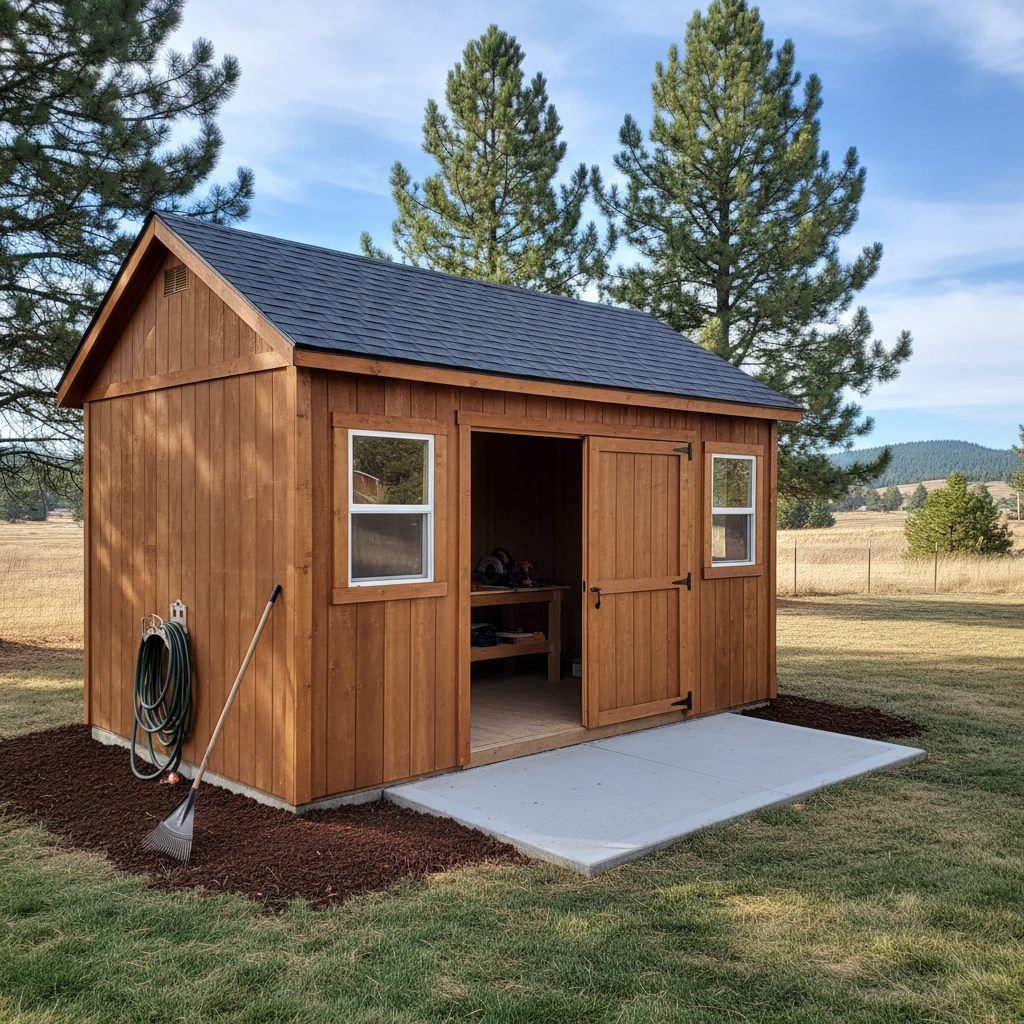
You've put good money into your garage, right? Whether it's a shiny new one or that old reliable structure that's seen a few Spokane winters. And boy, our weather here can be brutal on buildings – those blazing summers, the bitter cold, and everything in between really put things to the test. So, how do you make sure your garage holds up and actually lasts for decades? It really just comes down to smart maintenance.
Make Your Garage Last Longer
The best way to get more years out of your garage is to be proactive. Think about your car for a second: you don't just drive it until something breaks, do you? You change the oil, rotate the tires. Garages need that same kind of regular attention. For starters, good drainage around the foundation is absolutely critical. If water just sits there against the concrete, especially with our freeze-thaw cycles, you're practically inviting trouble. So, make sure your gutters are clean, and those downspouts direct water at least five feet away from the foundation. You might even want to gently slope the soil away from the garage if it isn't already.
Ventilation is another big one. Garage attics can get unbelievably hot in the summer, and then damp in winter if there's no air moving through. Proper soffit and ridge vents stop moisture from building up and cut down on heat, which really helps protect your roof and the framing underneath. If you've got an older garage, sometimes just adding a few more vents can make a world of difference, honestly.
And hey, don't forget about pest control. Mice, wasps, even bigger critters – they all love finding warm, dry spots to call home. Seal up any cracks or openings you find around the foundation, eaves, and wherever utilities go into the building. It's way easier to keep them out than to try and evict them once they've moved in.
What Regular Maintenance Actually Looks Like
You don't need to be a construction expert to do most of this stuff. Just give your garage a good once-over a few times a year. Here's what I usually tell people:
- Check the roof: After a big windstorm or a heavy snowmelt, take a peek. Are any shingles missing? Is the flashing around chimneys or vents still snug? Clear off any debris, especially leaves, because they can trap moisture.
- Inspect the exterior: Walk all the way around the building. Look for cracks in the siding or stucco, peeling paint, or loose trim. Pay extra attention to the parts closest to the ground. If you have wood siding, make sure it's not touching the soil.
- Door maintenance: Garage doors are probably the most used part of your whole garage. Lubricate the moving bits – rollers, hinges, springs – with a silicone-based spray a couple of times a year. Check the weather stripping along the bottom and sides; replace it if it's cracked or torn. That keeps out drafts and critters, you know?
- Foundation check: Look for new cracks in the concrete slab or foundation walls. Tiny hairline cracks are usually okay, but anything wider than a credit card, or cracks that seem to be growing, need attention.
- Interior scan: Inside, look for water stains on the ceiling or walls; those could mean a roof leak. Check for signs of pests. Make sure your electrical outlets and lights are working right and aren't showing any scorching or flickering.
Warning Signs of Problems
Sometimes things go wrong even when you're doing good maintenance. Here are some red flags you really shouldn't ignore:
- Water where it shouldn't be: Puddles on the floor, damp spots on walls, or water dripping from the ceiling. This is a big deal, and you need to figure out what's happening right away.
- Sagging or bowing: If you notice the roofline dipping, walls bulging outwards, or the garage door header looking stressed, that's a structural problem. Don't wait on this one.
- Large or spreading cracks: Like I said, small cracks are common. But if they're getting wider, longer, or if you see stepped cracks in block or brick, that's a sign your foundation is moving.
- Difficulty with the garage door: If the door is getting stuck, making grinding noises, or opening unevenly, it could be a spring issue, a roller problem, or even a track alignment issue. A broken spring is dangerous; please don't try to fix it yourself.
- Persistent drafts or pest entry: If you're constantly finding mice or cold air is blowing in, your seals or the exterior of your garage might be compromised.
When to Call a Professional
You can handle a lot of the basic stuff yourself, but some jobs are definitely best left to the pros. If you see any of those serious warning signs like sagging structures, major foundation cracks, or a lot of water getting in, call someone who actually knows what they're doing. For roof repairs beyond just replacing a shingle, or if you suspect a serious electrical issue, get a licensed contractor involved. Replacing a garage door spring is also a job for a professional; those springs are under huge tension and can cause serious injury if you mess with them.
Here at Spokane Custom Shed Builders, we mostly focus on new builds. But we've seen enough garages around the area to know what our climate does to them. Don't let small issues turn into big, expensive problems. A little bit of attention now can save you a whole lot of headache and money down the road. Keep an eye on your garage, and it'll keep protecting your stuff for years to come.