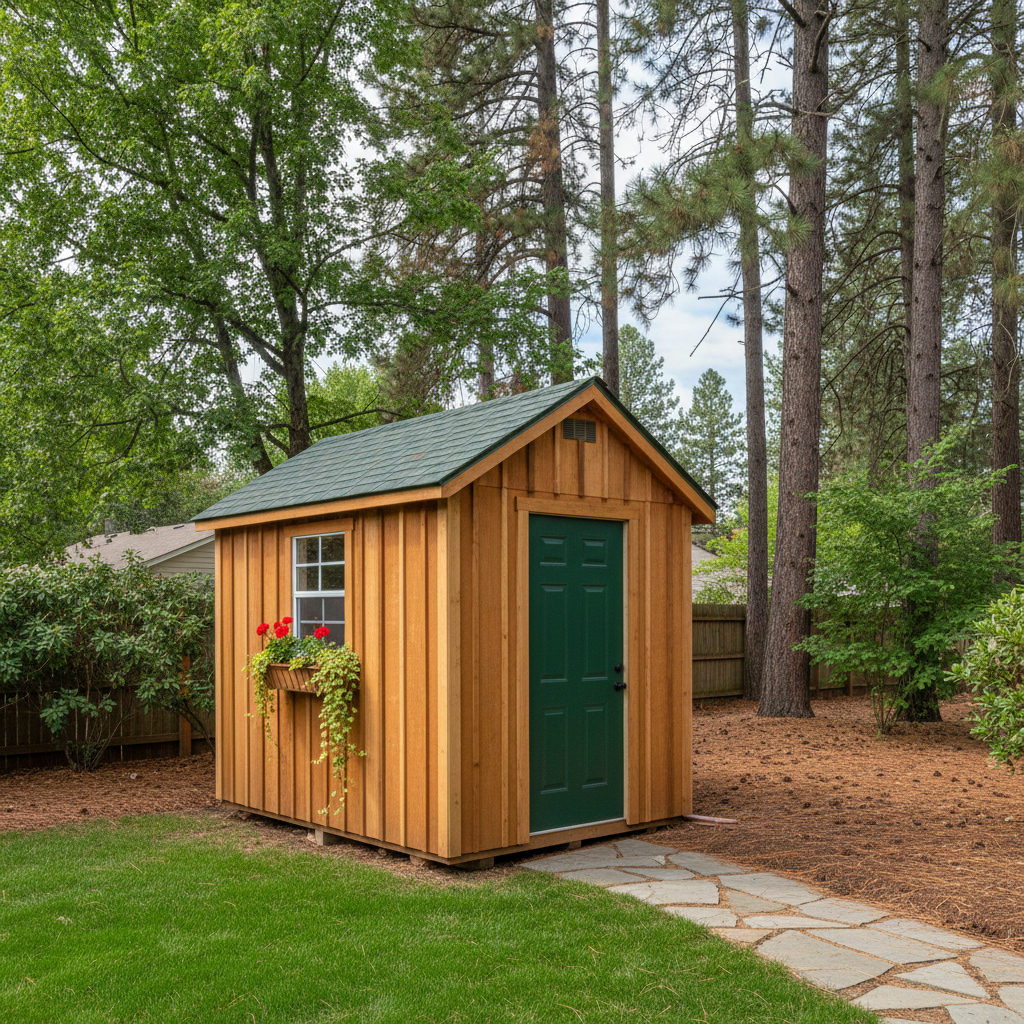
You've got a shed out there, right? Maybe it's holding your tools, your potting supplies, or even serving as a quiet little retreat. Whatever its purpose, you want it to last. And around here in Spokane, with our hot, dry summers, freezing winters, and everything in between, a shed can take a beating if you don't look after it. I've built plenty of sheds for folks all over Spokane, from the South Hill to Northwood, and I can tell you, a little bit of maintenance goes a long way. Let's talk about how to keep your investment solid.
Make Your Shed Last Longer
The biggest thing you can do to make your shed last is to protect it from the elements. That means water, sun, and critters. Think about it: water is the enemy of wood. Sun breaks down finishes. And pests? They just love a cozy, neglected corner. A good foundation is step one – if your shed's sitting directly on the ground, you're asking for trouble with rot and pests. We always recommend a proper gravel or concrete pad, or at least treated skids that are well-supported and off the ground. If your shed is already built, make sure water isn't pooling around the base.
Paint and stain aren't just for looks; they're your shed's first line of defense. A quality exterior paint or stain, applied correctly, seals the wood and protects it from UV rays and moisture. You can't just paint it once and forget it. You'll need to reapply every few years, depending on the product and how much sun exposure your shed gets. For Spokane, where we get a lot of sun in the summer, going with a lighter color can help reflect some of that heat and keep the wood from drying out too quickly.
Your Regular Maintenance Checklist
This isn't rocket science, but it does require a little attention. You don't need to dedicate a whole weekend to it every month, but a quick check-up a couple of times a year will save you headaches down the road.
- Gutters and Drainage: If your shed has gutters, keep 'em clean. Clogged gutters mean water overflowing and running down the sides of your shed, which can lead to rot on the siding and foundation. If it doesn't have gutters, make sure the ground around the shed slopes away so water drains off.
- Roof Inspection: Take a look at your roof. Are there any missing shingles? Is the flashing around vents or edges intact? Small repairs now prevent big leaks later. Our heavy snow loads in winter can be tough on roofs, so check for any sagging or damage after the snow melts.
- Siding and Trim: Walk around the shed. Look for cracks in the paint, peeling spots, or any soft spots in the wood. Fill small cracks with exterior caulk and touch up paint as needed. Pay extra attention to corners and around windows and doors.
- Doors and Windows: Make sure they open and close smoothly. Lubricate hinges if they're squeaky. Check the weatherstripping; if it's cracked or missing, replace it to keep out drafts and moisture.
- Ventilation: Good airflow prevents condensation and mildew inside. Make sure vents aren't blocked by debris or overgrown bushes.
- Clear the Perimeter: Keep bushes, trees, and other vegetation trimmed back from the shed walls. This improves airflow, reduces moisture, and makes it harder for pests to get a foothold.
Warning Signs You Shouldn't Ignore
Sometimes, things go wrong even with good maintenance. Knowing what to look for can help you catch problems before they become major repairs.
- Musty Smell Inside: This is a classic sign of moisture. You might have a leak you can't see, or poor ventilation leading to condensation.
- Soft Spots or Discoloration on Wood: If you poke at the siding or trim and it feels spongy, or you see dark stains, that's rot. It needs to be addressed quickly before it spreads.
- Sagging Roofline: This is serious. It could mean structural damage from heavy snow, water intrusion, or a failing roof structure.
- Pest Evidence: Sawdust piles, chewed wood, or droppings are clear signs of unwanted guests. Termites and carpenter ants love damp wood, so finding them often points to a moisture problem too.
- Cracked or Heaving Foundation: If your shed's foundation is cracking or shifting, it can throw the whole structure out of whack, leading to door and window problems, and even structural instability.
When to Call a Professional
Look, I'm all for DIY, but there are times when you need to bring in someone with experience. If you see significant rot, especially in structural components like floor joists or wall studs, that's a job for a pro. A sagging roof is another big one. If you're dealing with extensive pest infestations that you can't get under control, or if your foundation is seriously compromised, don't mess around. These issues can quickly escalate and become dangerous or much more expensive to fix down the line.
Sometimes, you just don't have the time or the tools, and that's okay. If you're unsure about a repair, or if it feels too big for you, give us a call at Spokane Custom Shed Builders. We've seen it all, and we can help you figure out the best way to get your shed back in top shape, or even build you a new one that's designed to withstand our unique Spokane climate.
Final Thoughts
Your garden shed is more than just a box in the yard; it's a useful part of your property. A little bit of proactive care throughout the year will ensure it serves you well for many years to come. Don't wait until a small problem turns into a big headache. Keep an eye on it, fix the little things, and you'll be glad you did.