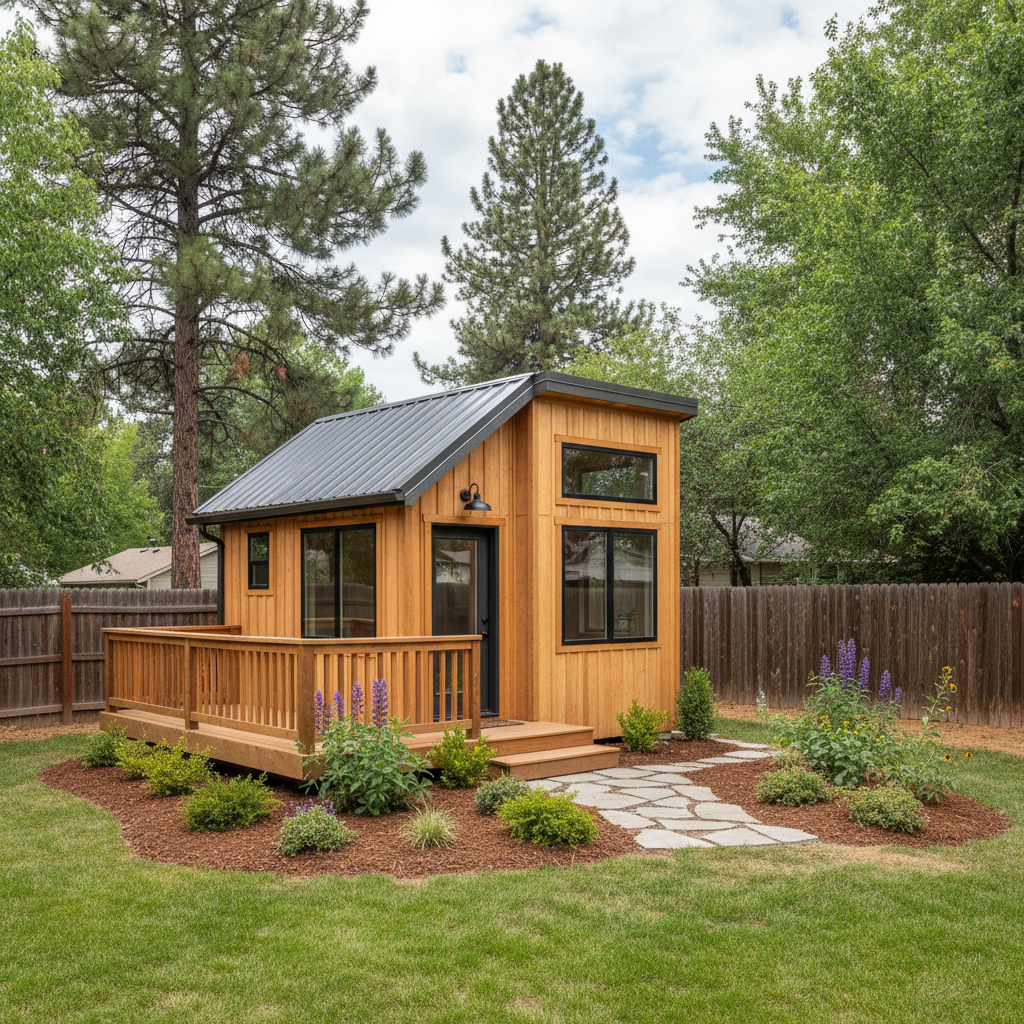
Designing a compact living space for properties in Spokane, WA requires careful attention to local rules and building guidelines. Many people start a project with excitement over a floor plan, only to discover that the local code enforcement office requires specific changes. Spokane Custom Shed Builders has seen this situation happen many times with new building projects. Homeowners often focus so much on the layout that they skip the initial planning steps, and that oversight usually causes major delays.
Building or placing a small dwelling in Spokane comes with unique regional hurdles. Winters across eastern Washington bring heavy snowfall and freezing temperatures. If you fail to account for heavy snow loads or freezing ground conditions during the planning phase, structural issues will develop later. Let us walk through the actual missteps that cost local residents time, money, and unnecessary stress during a Shed Builder project in Spokane.
Misjudging Local Zoning and Jurisdiction Boundaries
The biggest trap is assuming that because a small structure is allowed in one part of town, it is permitted everywhere. Spokane County, Spokane Valley, and the city itself all play by slightly different rulebooks. You might find a parcel out near Mead or down in the South Hill area and assume you can drop a secondary dwelling unit right away. Not so fast. Setback requirements, lot coverage limits, and accessory dwelling unit rules change drastically depending on municipal boundaries. Before you drop a deposit on materials or hire a contractor, check your exact parcel designation. Spokane Custom Shed Builders always tells clients to start with the local planning department before drawing a single line.
Ignoring Spokane's Brutal Freeze-Thaw Cycles
People moving here from milder climates often underestimate what frozen ground does to foundations. If you put up a compact structure on cheap blocks without digging below the local frost line, freezing winter temperatures will heave your frame out of alignment. Doors start sticking, windows will not latch, and joints crack. Cutting corners on site prep and foundation depth to save a few dollars upfront is a guaranteed way to run into issues by January.
Underestimating Utility Hookup Realities
Running power, water, and sewer lines to a secondary structure is not as simple as running an extension cord from the main house. Trenching through local basalt rock or dense clay found all over Spokane County takes specialized equipment and serious effort. People often budget for the walls and the roof while completely forgetting what it costs to tap into municipal utilities or install an approved septic line. Get a plumber and an electrician to look at your site layout before construction starts so you do not run out of money halfway through the hookups.
Taking the time to map out these details right from day one keeps your Shed Builder project on track and keeps your budget intact. Property owners in Spokane should do their homework on local codes and build structures tough enough to handle everything the regional weather can bring.