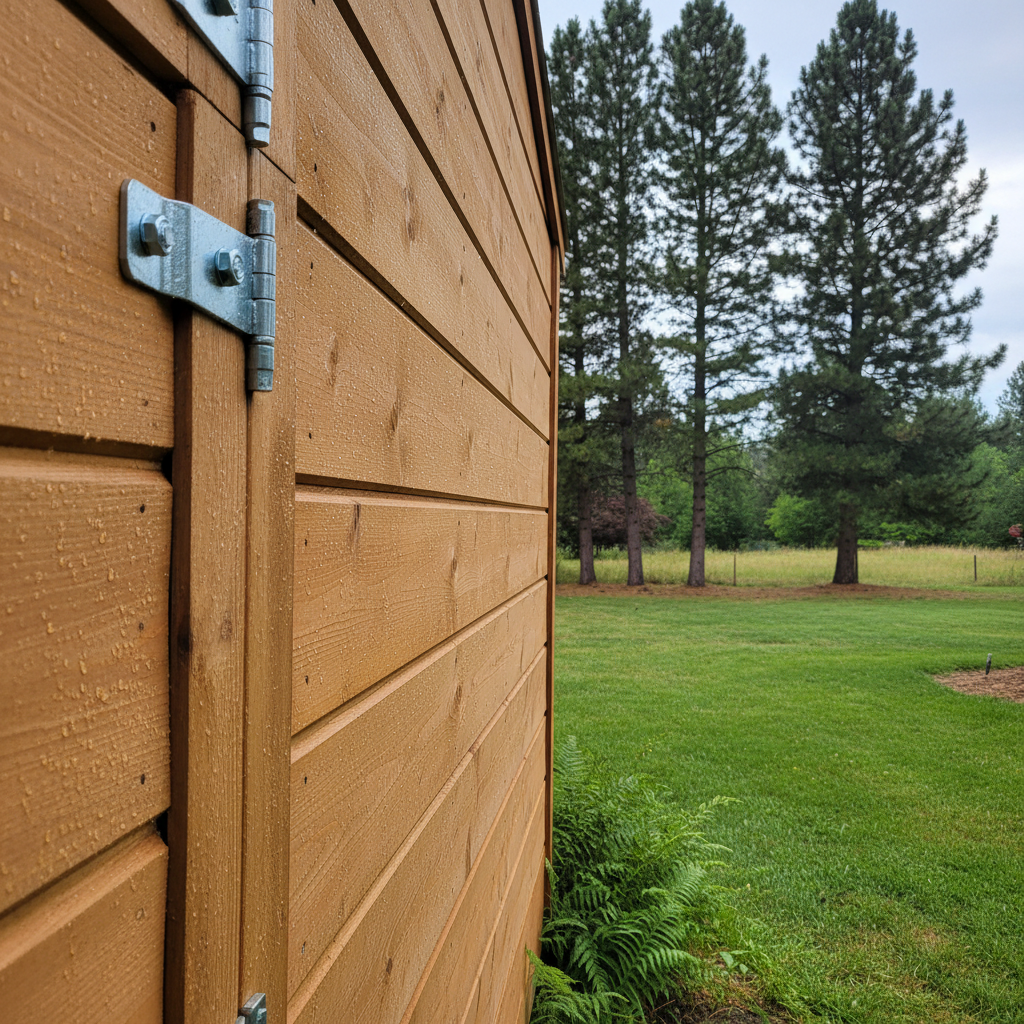
Alright, let us talk about livestock shelters. If you are a homeowner here in Spokane, you probably have some questions about housing animals on your property. It is not just about putting up a lean-to. There are rules for livestock shelters in Spokane. You also want to do right by your animals. Our team has built many of these shelters. We have heard every question about Spokane livestock shelters. So, let us get into the important details about livestock shelters.
What kind of animals can I even keep in Spokane city limits?
This is probably the first thing everyone asks about Spokane livestock. It is a good question. The City of Spokane has specific rules for what they call 'small domestic animals' as well as 'small livestock'. Chickens are a big one for Spokane homeowners. You can generally have one chicken per 1,000 square feet of your lot area. Roosters are usually not allowed in most residential zones in Spokane. They are only allowed in Residential Agricultural (RA) zones. For other small livestock like miniature goats, sheep, or pigs, it is typically one animal per 2,500 square feet of lot area. They also have size restrictions for these animals. Animals must be no more than 3 feet tall at the shoulder as well as under 150 pounds. So, if you are dreaming of a full-sized hog, you will need to be outside city limits in an RA zone. Always double-check your specific zoning and lot size before you get your heart set on a particular animal in Spokane. Spokane County has slightly different rules. Spokane County allows one hen per 1,000 square feet in low-density residential areas of unincorporated Spokane County. However, roosters are still not allowed in those areas either.
Do I need a special permit or certification to keep livestock?
For chickens, generally, no specific permit is required in the City of Spokane. You still have to follow the rules about how many chickens you can have. You also need to follow the rules about where the chicken coop goes. However, if you are looking to keep small livestock like goats, sheep, or pigs, you will need to get an animal-keeping certification. This certification comes from Washington State University (WSU). This certification proves you have taken a class on proper care as well as housing as well as waste disposal. Our team has heard from folks that this class is very helpful. It covers everything from breed selection to basic health care. It is not just a hurdle to jump through. This certification is about making sure you are a responsible animal owner as well as a good neighbor in Spokane.
Where can I actually put the shelter on my property? Are there setbacks?
There are setbacks for livestock shelters in Spokane. These setbacks are important. For chickens, coops, pens, or hutches generally need to be at least 25 feet from dwellings on neighboring properties. They also need to be five feet from your own property line. For other animal enclosures, they need to follow the same development standards as other accessory structures in residential zones. This means checking the specific accessory structure rules in the Spokane Municipal Code. In some cases, structures housing animals need to be more than 200 feet from any dwelling. This applies to dwellings other than your own. They also need to be more than 50 feet from any property line. These rules are there to prevent nuisances like noise and odor for your neighbors. This is especially true in our more compact Spokane neighborhoods.
What are the best materials for a livestock shelter in Spokane's climate?
Our Spokane climate has hot summers as well as cold, snowy winters. You will want materials that can handle both extremes for your livestock shelter. For the structure itself, treated lumber is a solid choice for framing. Durable siding like T1-11 or even metal siding will hold up well against the elements. Roofing is a key part of the Spokane livestock shelter. Metal roofing is excellent for shedding snow as well as rain. It also lasts a long time. For flooring, concrete is easy to clean. It can also be insulated. You will need good bedding on top for animal comfort. Wood floors are okay if they are elevated as well as well-maintained. This helps to prevent rot. Insulation is a real advantage for Spokane livestock shelters. For winter, insulation helps keep the warmth in. In summer, it keeps the heat out. Spray foam insulation is a top option. It seals very well. It offers a good R-value. It also acts as an air and waterproof barrier. Radiant barriers can also be effective. They reflect heat away in summer as well as back in during winter.
How do I keep the shelter clean and prevent odors?
Keeping a livestock shelter clean is an ongoing job. It is not a one-time task. Regular mucking out is important. For bedding, wood stove pellets can absorb moisture as well as odors very well. This is especially true over a concrete or dirt floor. Straw is common. However, it can hold moisture as well as smells if it is not changed frequently. Good ventilation is your best friend for a clean shelter. Natural ventilation, like ridge vents as well as strategically placed windows, helps move air. It also reduces moisture as well as stale odors. You might even consider fans for warmer months. This improves air circulation. For deep cleaning, you remove all the bedding as well as debris. A good scrub with soap and water is important. This should be followed by a disinfectant. Make sure to choose disinfectants carefully. Some can be harmful to animals if they are not used correctly. In addition, part of the city's animal-keeping rules is maintaining clean and sanitary conditions. This helps to avoid nuisances like offensive odors in Spokane.
What about predators? How do I make sure my animals are safe?
Spokane has its share of wildlife. Some of them would love an easy meal. Predator-proofing your shelter is necessary. For chickens, a secure coop is a must. It needs hardware cloth on all openings. This includes windows as well as vents. Chicken wire is not strong enough. Burying hardware cloth around the perimeter of the run can deter digging predators. This includes raccoons as well as foxes. Make sure all doors and gates have secure latches. These latches should not be easily opened by clever paws. For goats or sheep, sturdy fencing is important. It needs to be tall enough to prevent jumping. It also needs to be dug deep enough to prevent digging. If you live in an area with higher predator activity, consider closing your animals securely inside their shelter. Do this from dusk till dawn. Predators are most active during these times. Spokane County Regional Animal Protection Service (SCRAPS) handles domestic animal issues. For wildlife concerns, you would contact the Washington State Department of Fish and Wildlife.
Should I insulate the shelter, and what kind of insulation is best?
Yes, you absolutely should insulate your livestock shelter. This is especially true with our Spokane winters. Insulation helps keep your animals warm when it is freezing. It also keeps them cooler when it is scorching. It helps regulate the interior environment. This is tough enough with animal body heat as well as natural condensation. Spray foam insulation is excellent. It creates an airtight seal. It offers a high R-value. It also acts as a moisture barrier. This also helps keep out pests. Pests are looking for warmth in the colder months. Fiberglass batts are a more affordable option. However, they do not offer the same level of air sealing. Radiant barriers can also be a good addition. This is especially true in metal structures. They reflect radiant heat.