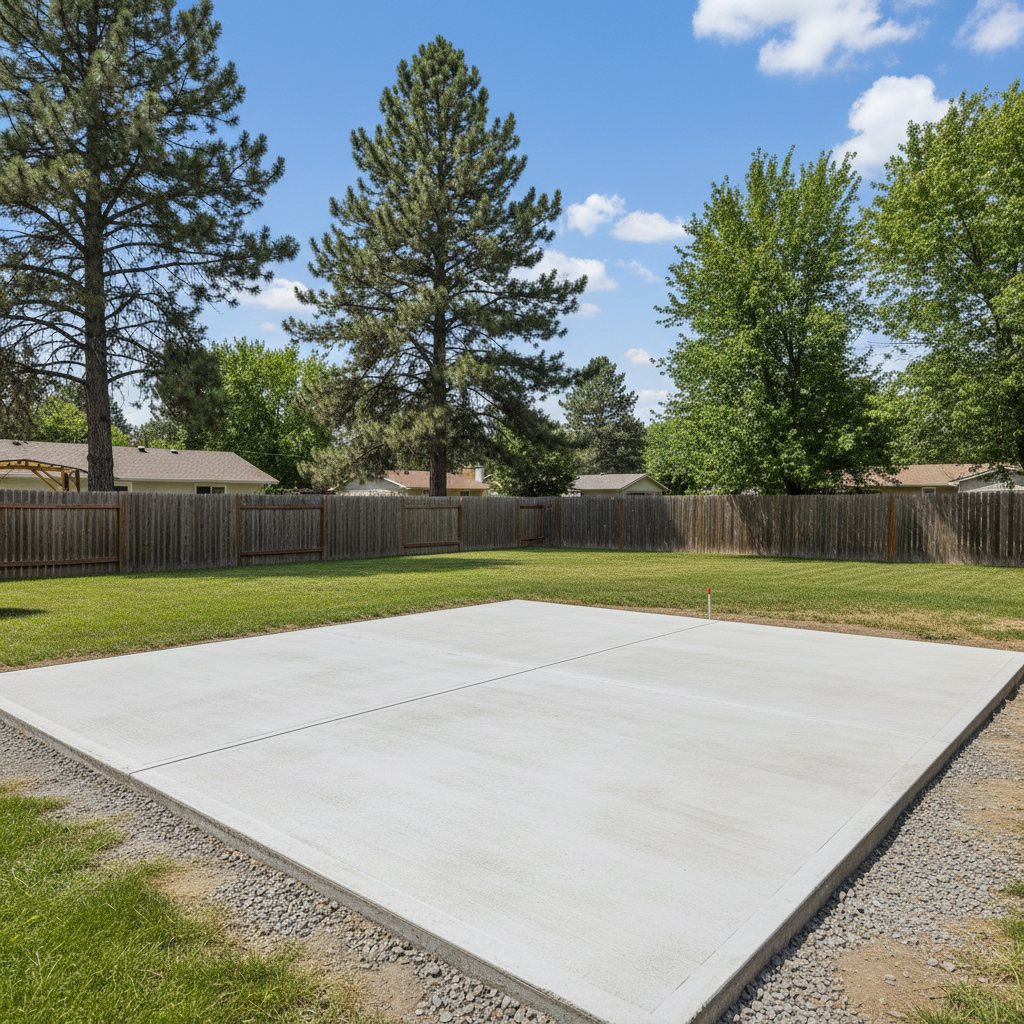
Your Shed's Foundation: Built to Last, Needs a Little Love
Look, you put good money into that shed, and a big chunk of that investment is right there, holding it all up – the foundation. Whether it's a gravel pad, concrete slab, or pier and beam, that foundation is what keeps your shed level, dry, and standing strong against everything Spokane weather throws at it. You want that thing to last as long as the shed itself, don't you? So let's talk about keeping it in top shape.
Extending the Life of Your Foundation Work
The best way to make sure your foundation lasts is to get it right from the start. We at Spokane Custom Shed Builders always stress proper site prep. But once it's in place, there are still things you can do.
- Keep it Dry: Water is the enemy of any foundation. Make sure your shed has good gutters and downspouts that direct water *away* from the foundation. Not just a foot or two, but several feet. If water pools around the base, it'll erode gravel, undermine concrete, and speed up rot on wood components.
- Mind Your Landscaping: Don't plant big shrubs or trees too close. Roots can be surprisingly destructive, pushing up concrete or disturbing gravel. Plus, dense foliage keeps the area damp, which is bad news. Keep plants trimmed back and leave some breathing room around the foundation.
- Control Drainage: This ties into keeping things dry. If you've got a low spot where water naturally collects, you might need to think about some simple grading or even a French drain to redirect that water. Especially with our heavy spring rains and rapid snowmelt, water management is key here in Spokane.
- Ventilation (for Pier & Beam): If you've got a pier and beam foundation, good airflow underneath is crucial. Don't block off the vents with storage or landscaping. Stagnant, damp air under there is an invitation for mold, rot, and pests.
Regular Maintenance: What You Should Be Doing
This isn't rocket science, but it does require a little attention a couple of times a year. Think of it like checking your car's oil.
- Seasonal Checks: I tell folks to do a quick walk-around in the spring after the snow melts and again in the fall before the real wet weather sets in. Look at the whole perimeter.
- Clear Debris: Leaves, pine needles, dirt – anything that piles up against the foundation can trap moisture. Clear it away. This is especially important if your shed is under a big Ponderosa pine; those needles really accumulate.
- Check for Erosion: Is the ground around your gravel pad washing away? Are there new channels forming? If so, you need to address the drainage issue. For concrete, look for exposed rebar or significant chipping.
- Inspect Wood Components (if applicable): If your foundation has wooden skids or timbers, poke them with a screwdriver. If it goes in easily, you've got rot. Look for discoloration, swelling, or insect activity.
- Level Check: Grab a long level and check the floor inside your shed. If it's noticeably off, that's a sign your foundation might be shifting.
Warning Signs of Problems: Don't Ignore These
Your shed will usually tell you when something's wrong, you just need to know what to listen for (or look at).
- Cracks in Concrete: Small hairline cracks? Probably fine. But if you see cracks that are wider than a credit card, or if they're stair-stepping, or one side of the crack is higher than the other, that's a red flag.
- Doors and Windows Sticking: If your shed door suddenly starts binding or your windows are hard to open, it's often a sign the structure is no longer square, which points back to a foundation issue.
- Gaps Forming: See gaps between the shed walls and the foundation? Or between floorboards? That means things are settling or shifting unevenly.
- Standing Water: Any standing water around or under the foundation is a major problem that needs immediate attention.
- Visible Rot or Pest Damage: If you see soft, spongy wood, fungal growth, or signs of carpenter ants or termites near the foundation, you've got trouble brewing.
When to Call a Professional
Most minor maintenance you can handle yourself. But there are times when you really need to bring in someone who knows what they're doing. Don't wait until it's a full-blown disaster.
- Significant Cracking or Shifting: If you're seeing those serious cracks or the shed is clearly leaning, that's a job for a pro. Trying to fix major structural shifts yourself can make things worse, or even dangerous.
- Persistent Water Issues: If you've tried improving drainage and water is still pooling or getting under your shed, a professional can assess the grading and recommend more robust solutions. Sometimes the soil here in Spokane, especially that clay-heavy stuff you find in some older neighborhoods, just doesn't drain well without some help.
- Extensive Rot or Pest Infestation: If you've got widespread rot in foundation timbers or a serious pest problem, you'll need someone to not only fix the damage but also address the underlying cause.
- Unexplained Sagging or Unevenness: If your shed floor is noticeably uneven and you can't figure out why, a professional can diagnose the problem and recommend repairs.
Your shed's foundation is literally the groundwork for its longevity. A little preventative care and knowing what to look for can save you a lot of headaches and money down the road. Keep an eye on it, and your shed will serve you well for decades.